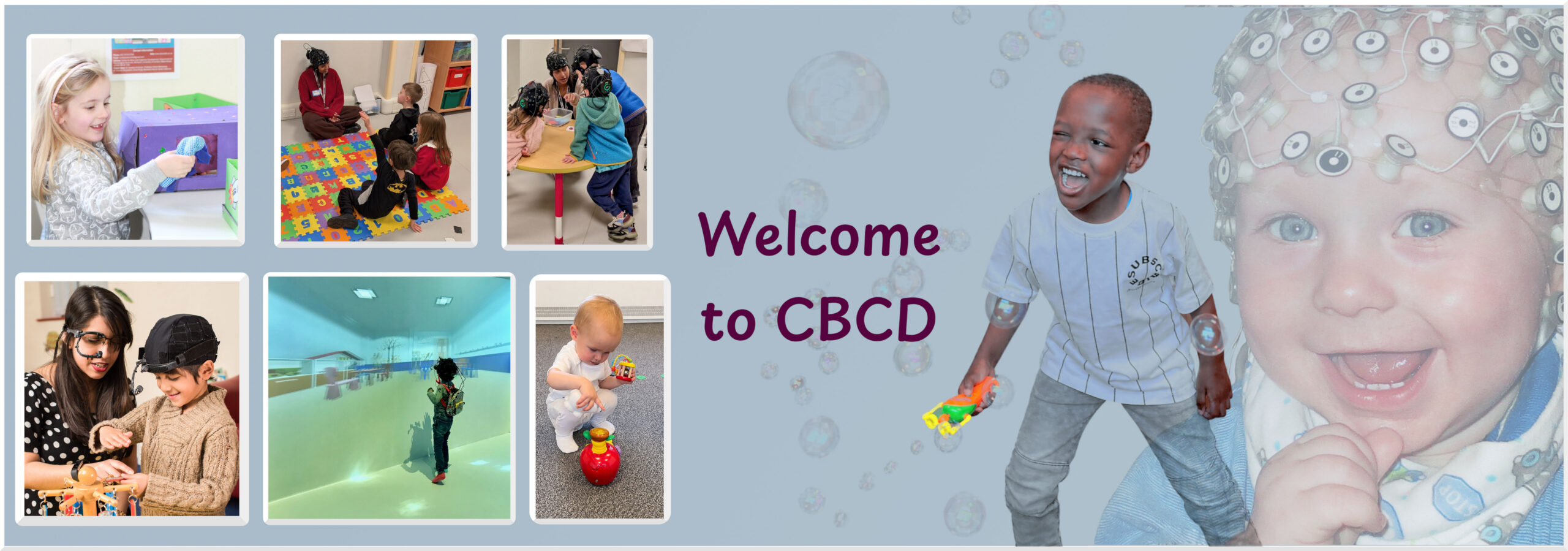
Become a baby or child scientist today!
Useful Information
GDPR (pdf)
Privacy policy (pdf)
Safeguarding document (pdf)
Safety measures (pdf)
Interested in how our brains develop? Curious how babies and children make sense of the complex world around them? Wondering how abilities and knowledge change and transform over time? Join our research and help us answer questions like these!
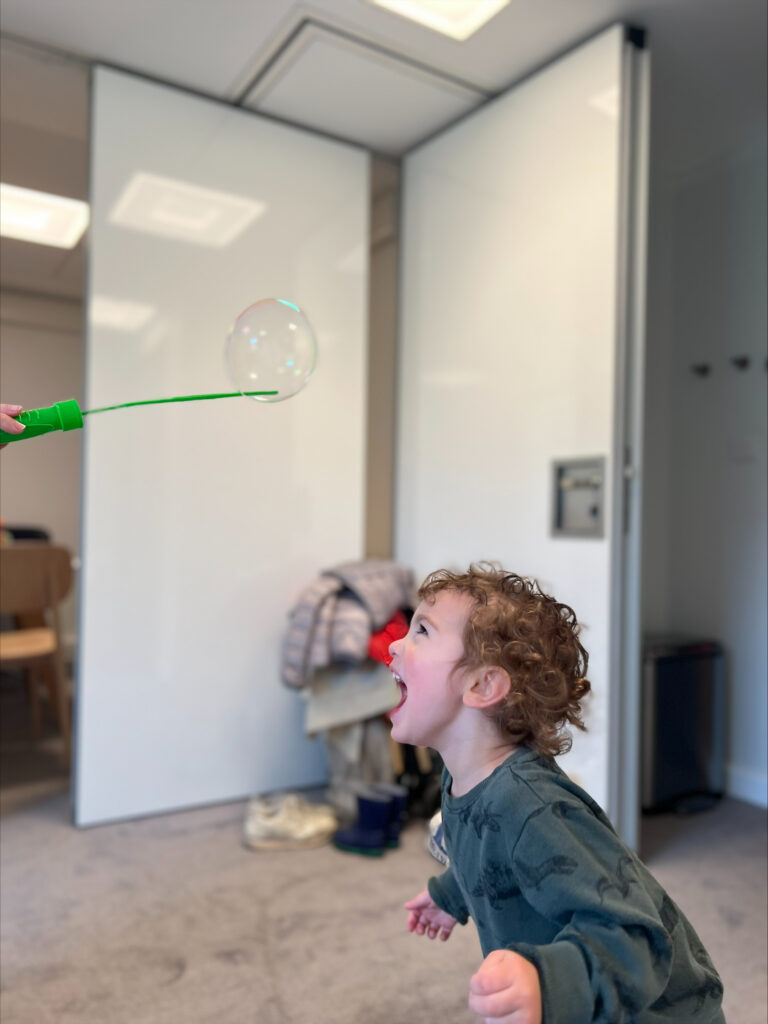
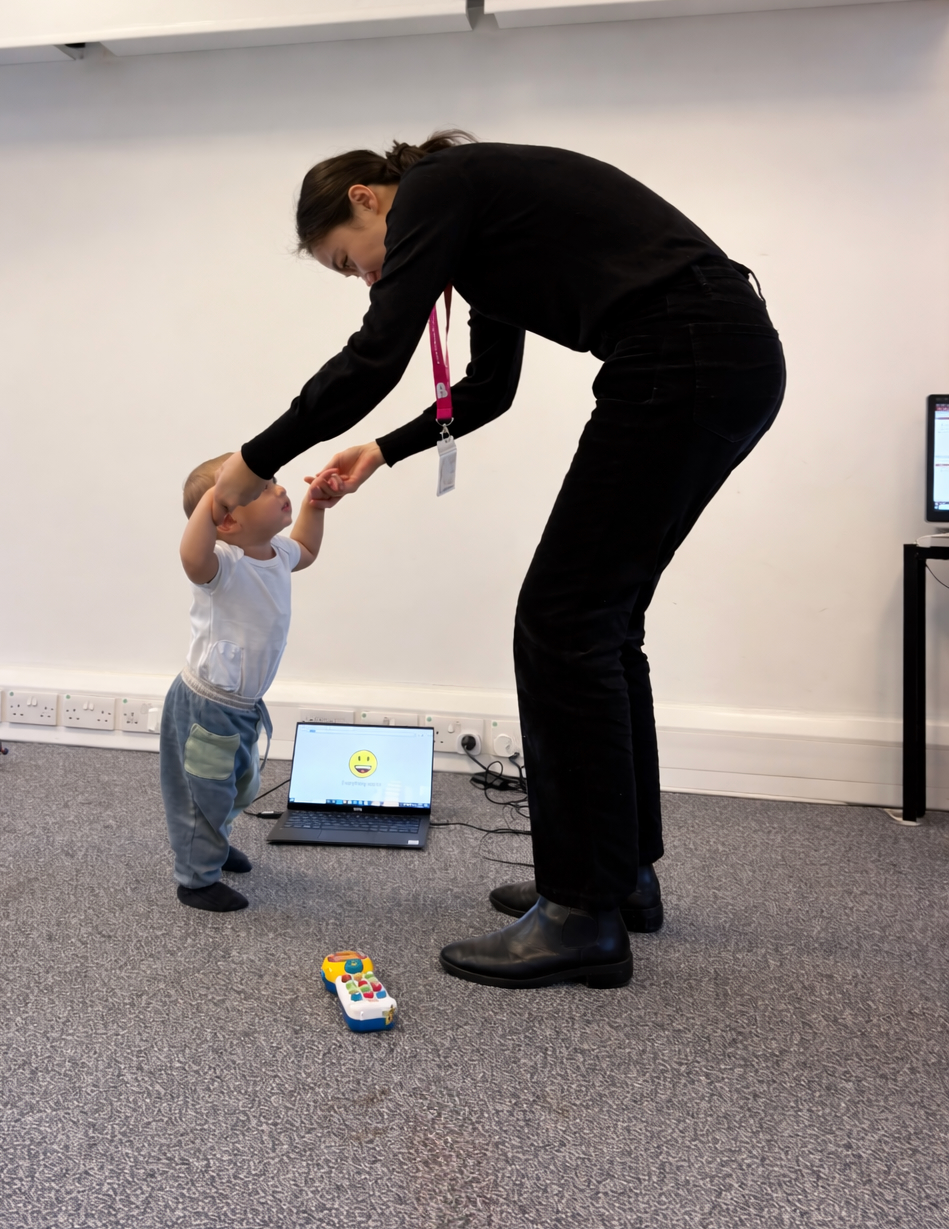
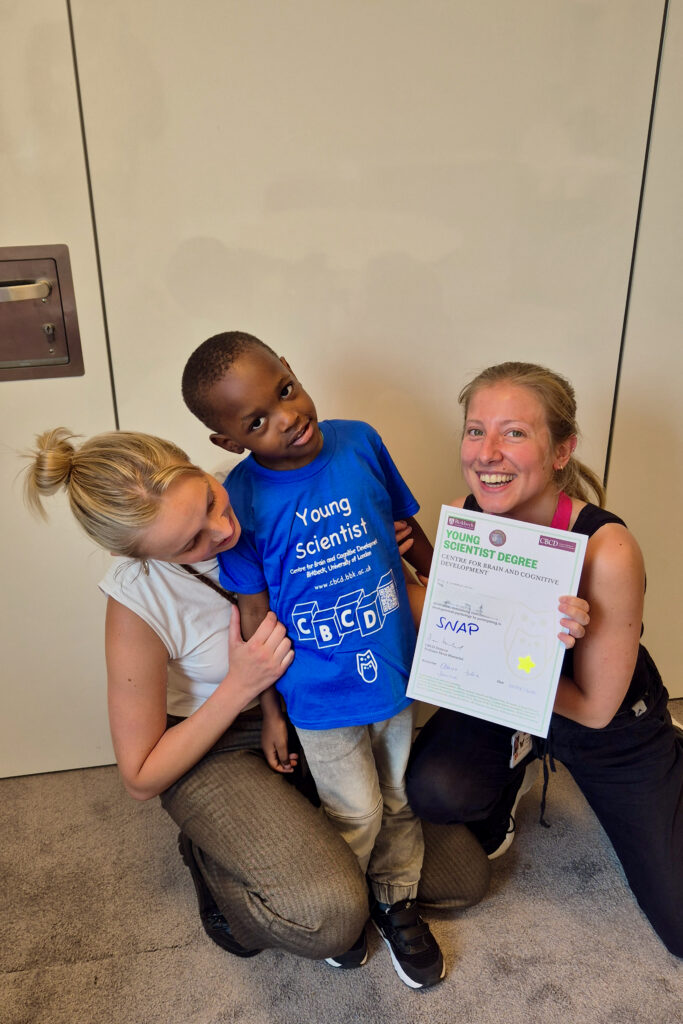
At the CBCD, we are happy to invite you to take part in important research in our custom-built labs in central London. We regularly revise our safety measures and will do everything possible to make your visit enjoyable. Watch this video to peek inside our labs and learn more about what happens during a visit to the BabyLab & ToddlerLab. In addition to reimbursing your travel expenses up to £40, every baby and child who takes part in our research will receive a certificate and t-shirt, tote bag or toy!
If you live in or around London and are interested in participating in any of our studies, please. REGISTER HERE. Registering is free and involves no commitment – we simply invite you to take part and hope you say yes.
We also have exciting online research that is always in need of participants, and can be done from the comfort of your own home, or anywhere in the world!
Without your support, our crucial research into infant and child brain and behavioural development could not take place. Thank you!!!
At the BabyLab & ToddlerLab we aim to better understand how people learn and develop throughout infancy and childhood. We research typically developing people as well as neurodivergent people. Our research tries to answer questions that parents and policy makers tell us are important.
We create fun and interactive studies that help us discover:
- how babies and children learn to pay attention to some things and not others
- how they learn to understand what other people do and think
- how their language and understanding of the world develops
- how tablets and smartphones influence development
- how babies and toddlers learn to communicate with others
- how can we improve sleep
- what does movement tell us about development
- how does empathy develop
- what is the impact of AI on child development and parent-child interactions
We are also interested in understanding why and how some children develop conditions such as Autism and ADHD – please visit www.staars.org for more information
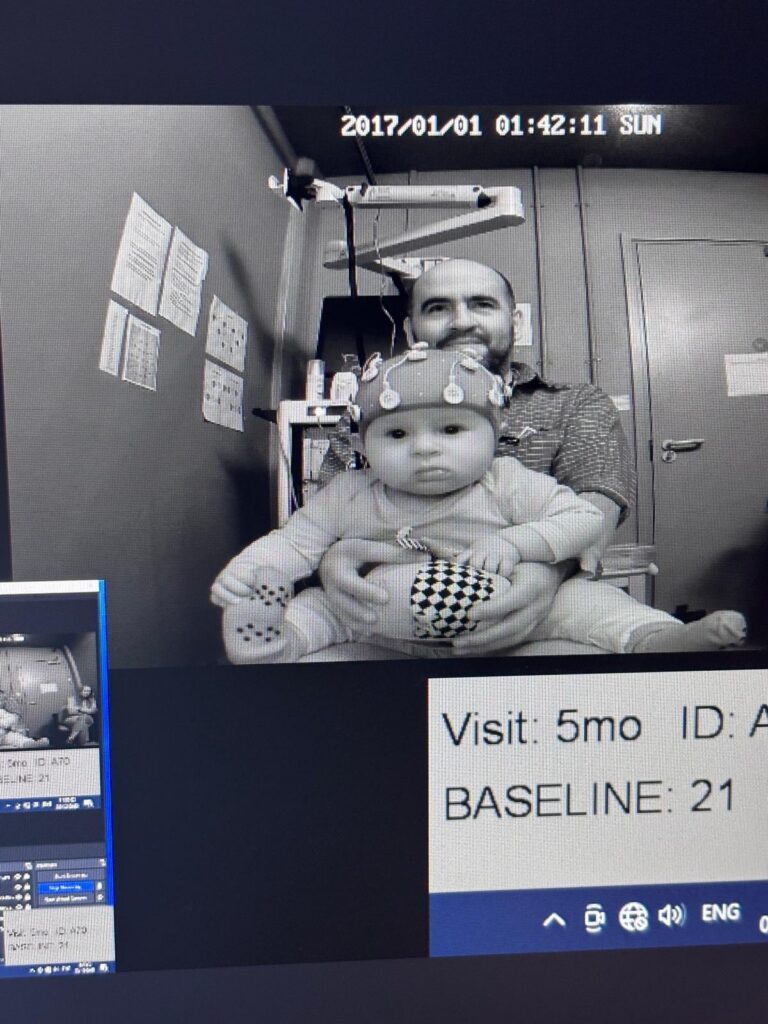
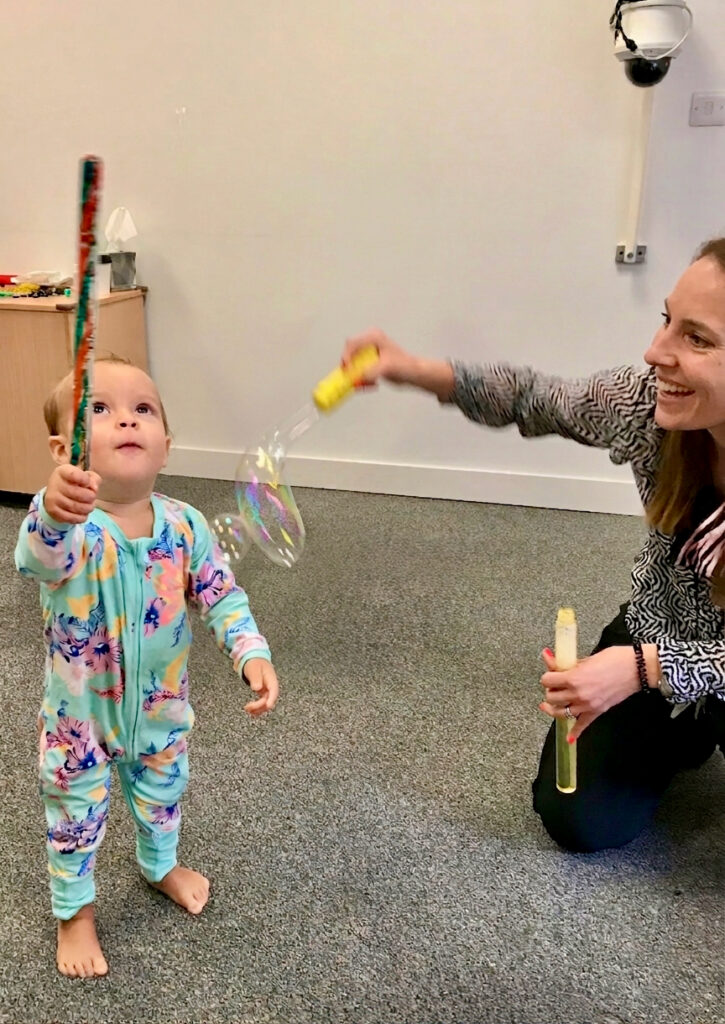
Our original BabyLab was designed to make testing infants as easy as possible. We have bright and cheerful reception rooms full of toys, changing facilities and home comforts. Our labs harness the latest developments in technology to non-invasively study the developing brain and emerging behaviour.
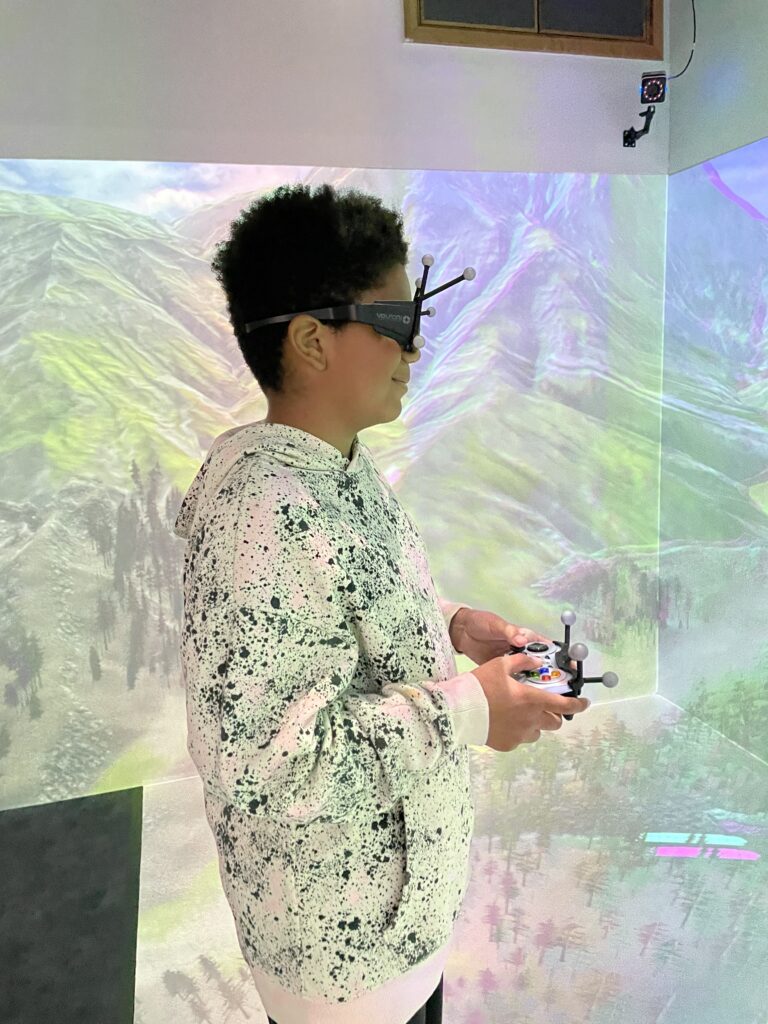
Our world-first ToddlerLab is a dedicated research facility developed for studying toddler and child development in naturalistic environments. The facility includes specialist laboratories such as the Home lab, the Preschool lab, the Brain lab, the Exploration lab, the Nap lab and the CAVE virtual reality lab, all equipped with wearable cutting-edge technologies that monitor brain and cognitive development across toddlerhood and beyond.
An introduction to the ToddlerLab with Professor Denis Mareschal
Read about a typical visit as reported by The Guardian.
Dr Natasha Kirkham discusses the ToddlerLab
Research into typically developing children
Our research focuses on investigating development in babies and children during the first years of life and throughout childhood. We aim to uncover the dynamic processes of brain, behavioural and cognitive development during this critical period through study of behavioral, cognitive, neural, physiological and social markers.
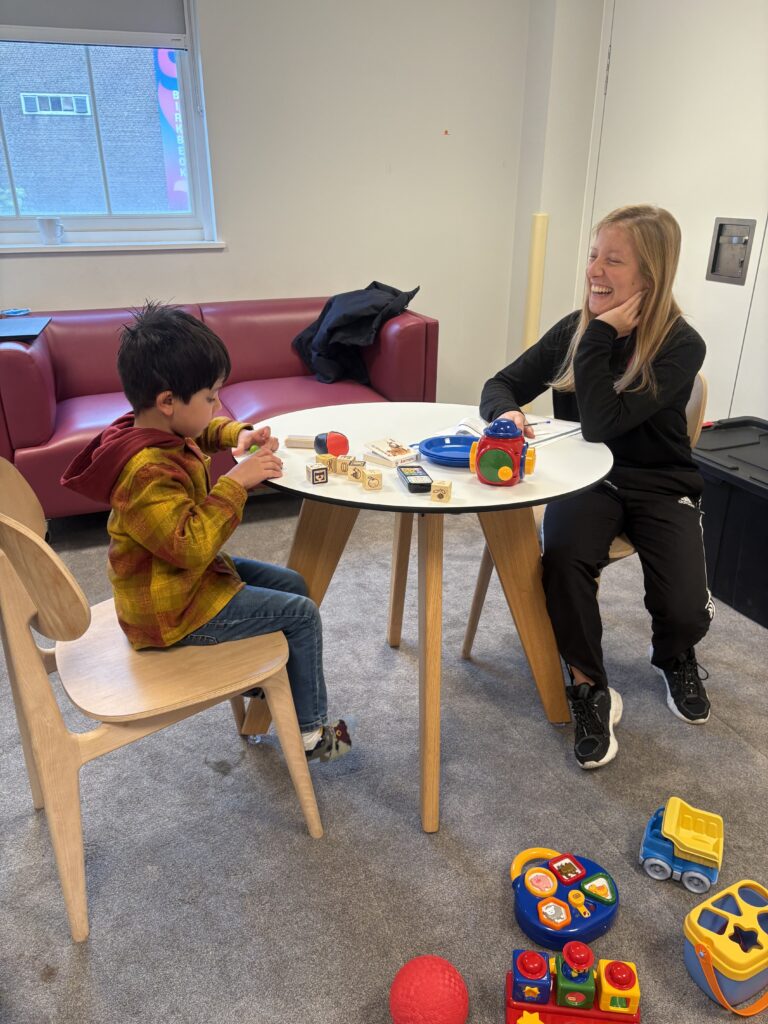
Developmental populations and toddlers in particular, may struggle sitting still in traditional laboratory settings. To this end, we have designed the ToddlerLab with wireless technologies and interactive labs to allow children to move freely and with less restraints. The naturalistic labs give us the possibility to design more ecologically-valid and engaging experiments that mimic what children do in their everyday life (like building a house with Duplo blocks).
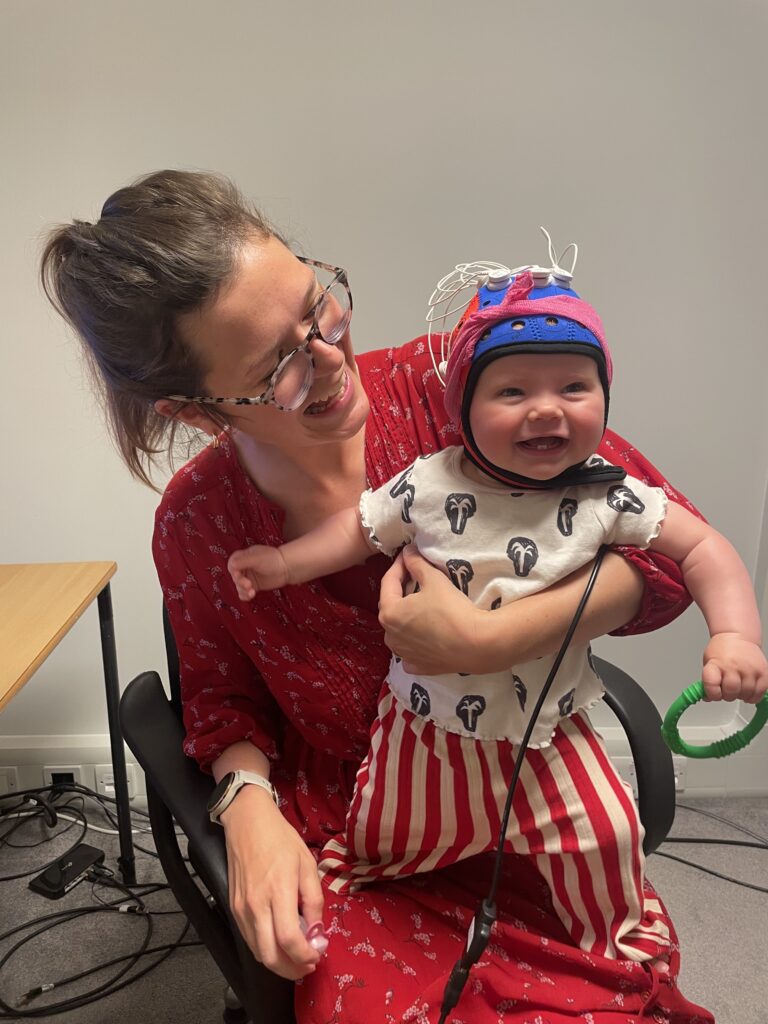
When studying children’s cognitive development, it is important to study the “body” as a whole and track changes at different levels: physiological, behavioral, neural and genetic. The body and the brain are strongly interlinked, so multimodal monitoring of infants and toddlers is the core of our research. We combine monitors of brain activity (fNIRS, EEG), physiological changes (heart rate, breathing rate, galvanic skin response), behavior (eye-tracking, video recordings, motion tracking), and genetics.
Research into autism and other developmental conditions
Alongside the study of typical development, we study atypical developmental trajectories. A large body of our research focuses on understanding the basis of autism spectrum disorder (ASD) and ADHD. One in 100 people in the UK have autism. Together with their families, this means autism is a part of daily life for 2.8 million people. Identifying the early signs of developmental conditions like autism makes it possible to design earlier and more effective interventions that can help enhance the lives of these children and their families. These leading discoveries also help us inform policy that can influence how the healthcare and education sectors identify and support these children.
Reviews
Don’t take our word for it – see what people say about their visits to our labs!