
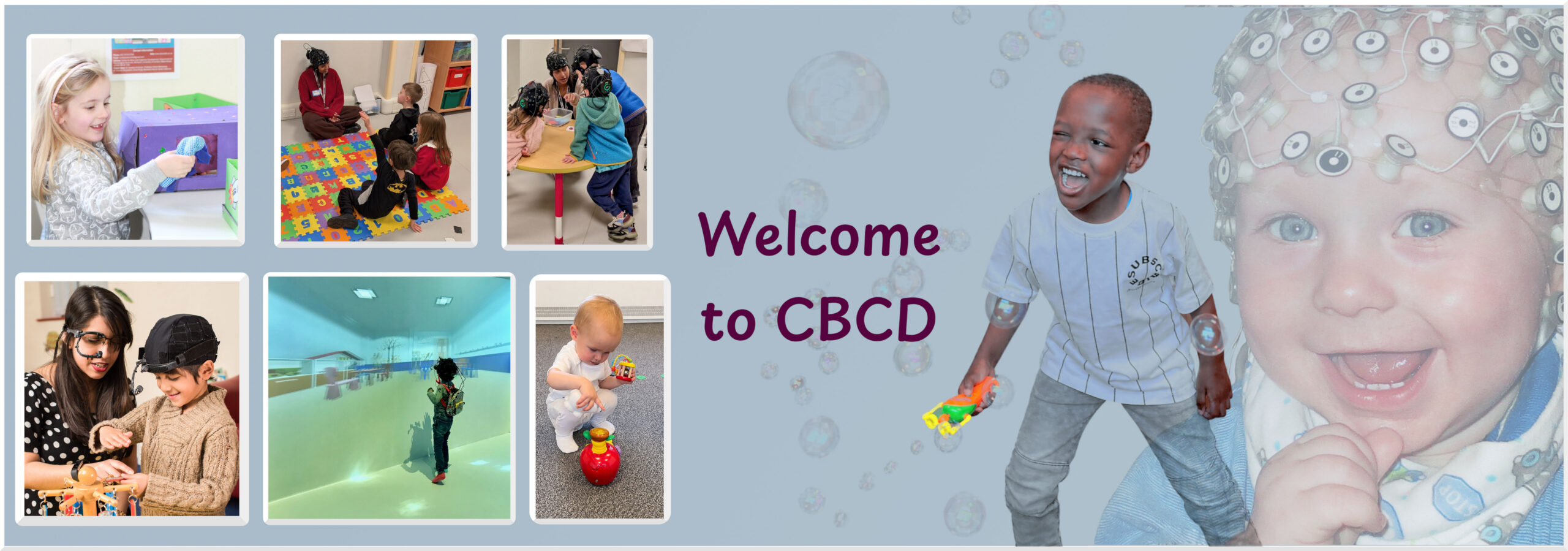
Over the years, we have successfully carried out numerous research projects within schools and nurseries.
These projects cover a range of topics and interventions. Topics include the impact of multisensory learning, a ‘stop and think’ innovative maths and sciences game for improving performance, collaborative problem solving and perspective taking, the role of dance & yoga in creativity, increasing empathy in children and self regulation.
Seeing children in natural settings (school) is the best way to gain relevant and informative data that then goes on to shape and influence policy and best practice. We recognise teachers are vastly overstretched, and do our best to minimise disruption and fit into the school day when conducting research on site.
Taking part in our research is a short commitment and will have minimal impact on your school’s time, yet maximum benefit for the children, both introducing them to scientific research in a fun way and enhancing the curriculum. This will not increase the teachers’ workloads! In general, all we ask is for them to distribute parental consent forms and access to their students at their discretion. All researchers are fully trained for working with children and have enhanced DBS certificates.
FUTURE RESEARCH
We are always in great need of more schools and nurseries to take part! If you, your school/nursery, or any other schools/nurseries you know would like to learn more or take part in research with the Centre for Brain and Cognitive Development, please get in touch, email babylab@bbk.ac.uk.
Emailing us involves no commitment – it simply gives us the opportunity to share with you whatever research project we have that may be relevant to your students. We have found schools & nurseries really enjoy being involved as it gives children the opportunity to experience scientific research firsthand and to also learn about their brains and psychology in a fun way, enriching the curriculum.
Our research is ongoing and support from schools and nurseries is greatly appreciated. Without your support, important and informative educational research regarding school age children would not be possible.