

At the CBCD, we don’t just study babies and toddlers, we’re also interested in how children continue to develop throughout the school years. During middle childhood, our brains, cognition and behaviour undergo further development. We run studies with children in our specialist labs at the BabyLab and ToddlerLab as well as in nurseries and schools, to help us understand more about the developmental and cognitive changes experienced throughout childhood. Recent projects have examined how children combine information from different senses to reason about and make sense of the world, and the impact of noise in school and home environments on children’s ability to focus and pay attention to tasks.
If you’re interested in taking part, please sign up!
To learn more or discuss how your school could support our research, please contact us: babylab@bbk.ac.uk
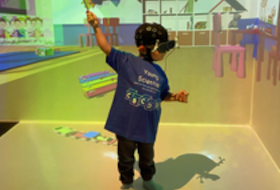
Empathy Project
The Empathy Project aims to understand the early development of empathy in young children. By uncovering the factors that promote the development of empathy, we can help foster these skills in children who have difficulties in social interactions.

Pet Puzzles study
Pet Puzzles is a research project looks at the development of planning abilities in real-life situations in 2- to 5-year-olds.
In this study children play in a unique game, where they gather information from their environment, freely moving around and using the collected information to solve a problem. Contact babylab@bbk.ac.uk to take part.

Stay Cool
The Stay Cool study is a follow-up to the STAARS project, investigating the development of self-regulation in participants aged 4-9. The study uses fun play-based activities along with a variety of methods to assess children’s brain, body and behaviour.

SNAP: Sensory Activity in Preschoolers
Touch plays an important role in perception and early social and communicative development. This study looks at 3-6 year olds with ASD to analyse brain and tablet-based touch responses in order to make a subject-specific sensory-profile.
ProSolvED
The Problem Solving in Early Development project studies how the development of behaviour and brain when toddlers and preschoolers are solving a problem in interaction with another person.
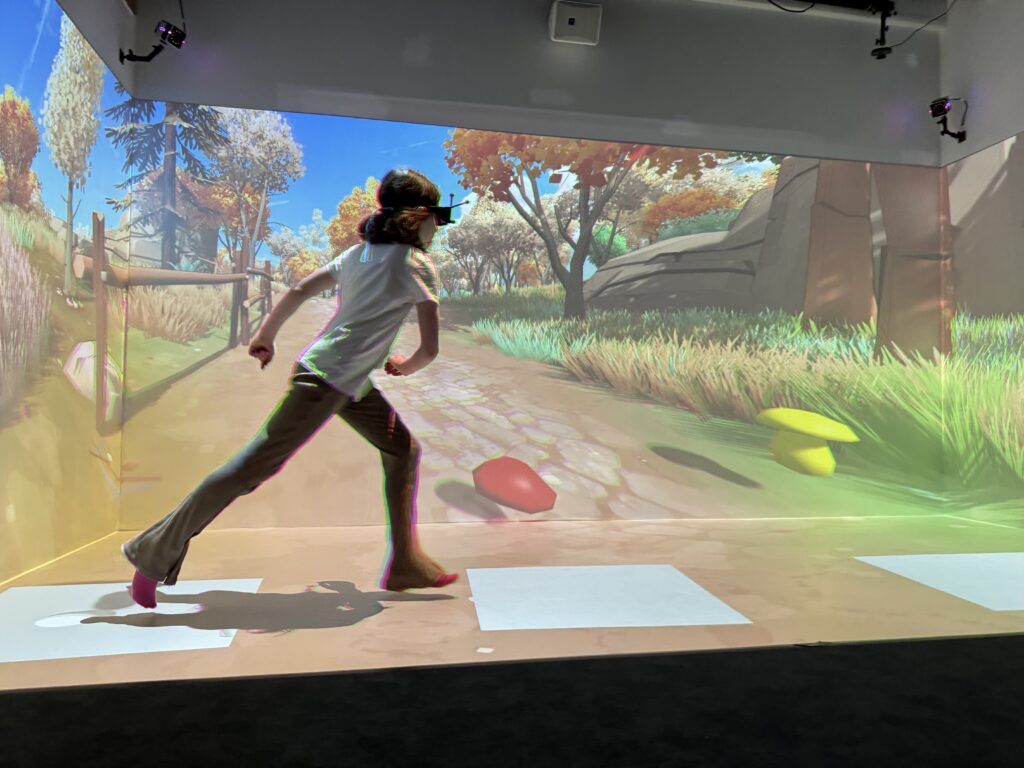
LEAVES study
In the LEAVES study, we are investigating the relationship between physical activity and cognition in children ages 7-11, who are awaiting an ADHD diagnosis or have one.
In this study, children perform some fun movement-based activities and short computer tasks. Contact babylab@bbk.ac.uk to take part.